STEP ONE: REMOVE student/athlete from high risk physical activities. REDUCE school demands and home/social activities.
Once a concussion has been diagnosed:
The biggest worry with concussions in kids and teens is getting another brain injury before the first one heals. This is called Second Impact Syndrome. It can happen if a brain that’s already hurt gets hit again, which can cause severe swelling, brain damage, or even death. A brain with a concussion is very fragile, and even a small hit can be very dangerous.
Because of this, anyone with a concussion should stop all activities that could cause another hit, like PE, sports, dance, recess, or club activities, until it is safe to go back.
Also, while the brain is healing, schoolwork, homework, and social activities should be lightened (not completely stopped) and slowly increased over about 4 weeks. Giving the brain a break helps it recover faster.
Family Team
REMOVE the student right away from high-risk physical activities. This includes playing on playground equipment, riding bikes or skateboards, rough play with siblings, and all recreational or club sports..
REDUCE or limit activity at home and social activities. Do not completely take away electronics or social time, but create a reasonable plan at home.
Encourage REST for the first few days. Then slowly add back thinking activities, social time, and normal home activities.
School Team Physical
REMOVE student right away from high-risk physical activities &/or risk of any possible new hits to the head.
Support REDUCING schoolwork and home/social activities.
Encourage REST and give the student the time they need to heal. Do not require concussed student/athletes to attend practices after-school if they barely stay in school for academics.
School Team Academic
REMOVE the student right away from high-risk physical activities &/or any new potential hits to the head at school, including PE, recess, and dance class.
REDUCE or limit schoolwork but do not completely stop academic expectations. (See ADJUST/ACCOMMODATE for Educators.)
Encourage short “pacing” breaks in class—5 to 10 minutes for the eyes and brain.
Allow strategic REST breaks once mid-morning and/or once mid-afternoon. These are 20-minute quiet breaks in a calm place, like the counselor’s office or school clinic.
Healthcare Provider Team
REMOVE the student right away from high-risk physical activities &/or any new possible hits to the head.
RULE-OUT more urgent medical problems. Look at risk factors and evaluate for complications from a concussion.
Support REDUCING schoolwork and home/social activities.
Encourage REST for the first few days, then slowly bring back thinking, social, and home activities.
New guidelines say that doing light exercise soon after a concussion, even while still having symptoms, can actually help the brain heal. But in schools, doing this kind of exercise may be tricky. It depends on whether the school has trained staff to watch students and keep them safe.
Because of this, a school might decide not to allow light exercise during PE or recess if they don’t have enough staff, space, or resources to do it safely.
Jake Snakenberg
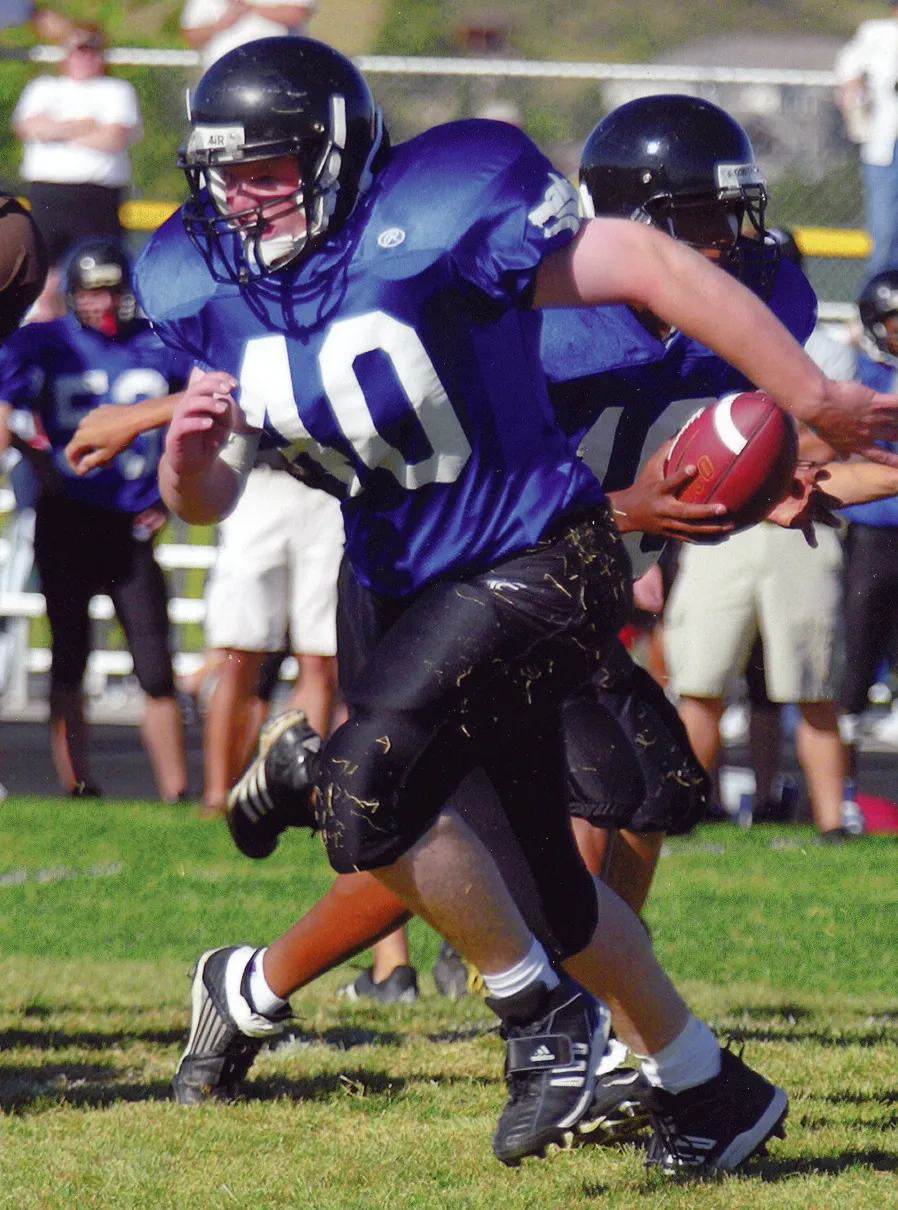
April 19, 1990 – September 19, 2004
In the Fall of 2004, Jake Snakenberg was a freshman football player at Grandview High School. He likely sustained a concussion in a game the week prior, however, he did not fully understand that he had experienced a concussion, and he did not report his symptoms to anyone.
One week later, Jake took a typical hit in a game, collapsed on the field and never regained consciousness. Jake passed away from “Second Impact Syndrome” on September 19, 2004.